



































Your Brand. Nationwide.

Put your message in motion and reach audiences where they live, work, and travel.

Services.

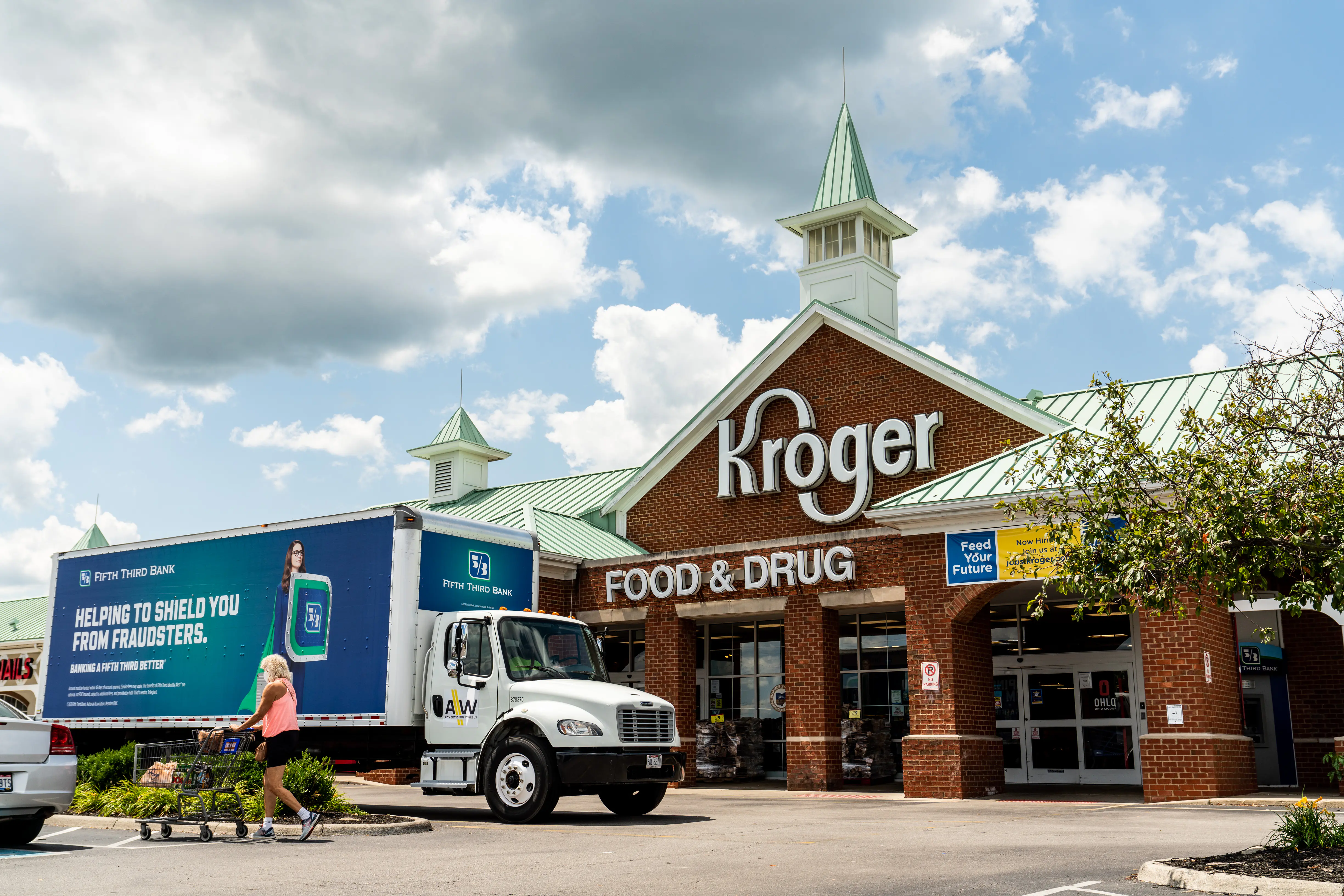
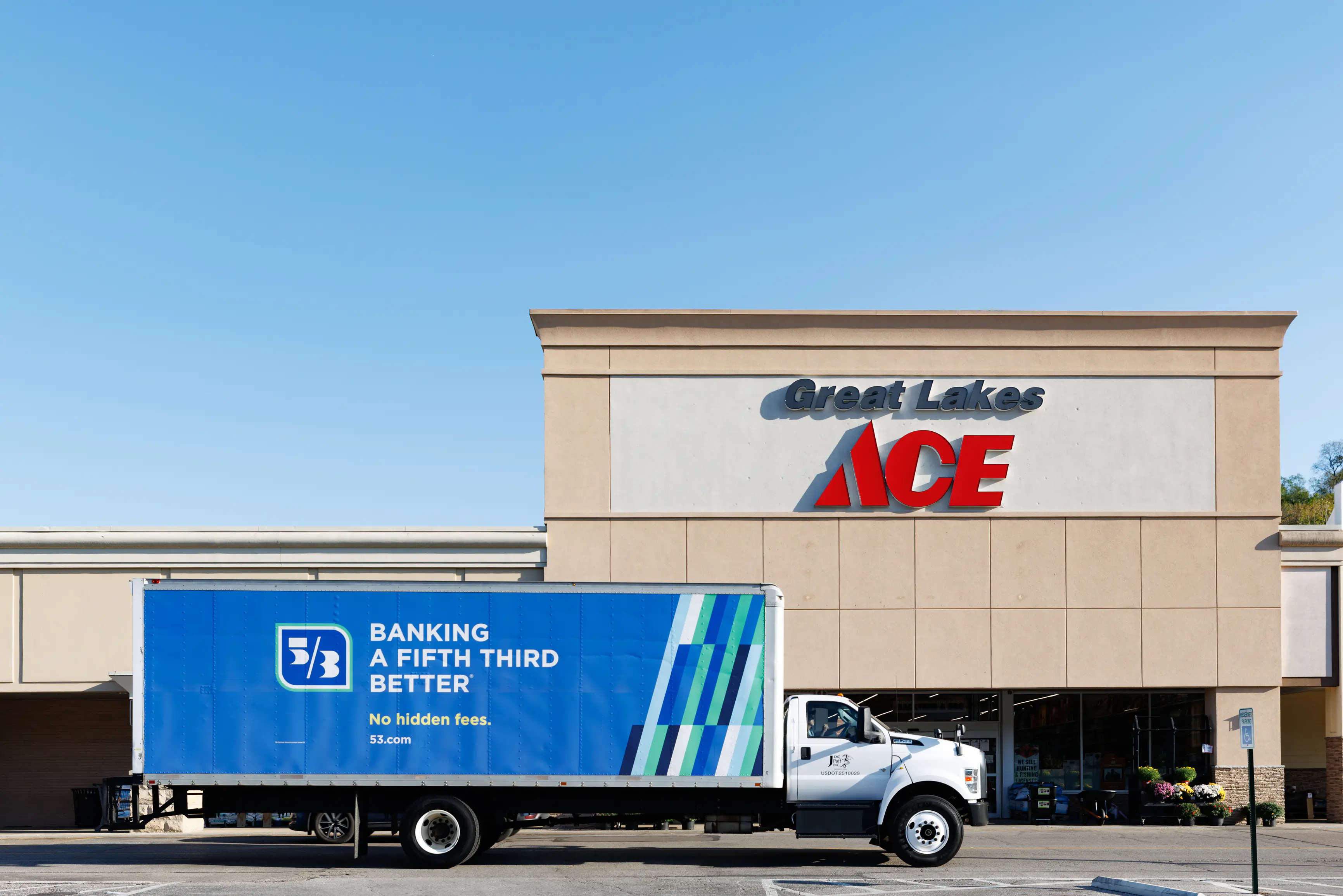
Truck Advertising

High-impact mobile billboards that bring your brand directly to your audience.

Digital Trucks

Dynamic LED truck displays that allow flexible and eye-catching campaigns.

Nationwide Campaign Rollouts

Scale your campaigns across multiple cities with one coordinated strategy.

Route Targeting & Reporting

Reach the right audience with data-backed routes and detailed performance insights.

01

01

Efficient Marketing Value

Get more exposure compared to traditional ad channels at a fraction of the cost.

02

02

Targeted Reach

We don’t just drive—we plan routes that maximize impressions in high-traffic areas.

03

03

Measurable Results

Track campaign performance with real data, not guesswork.

Campaigns.

From local activations to nationwide rollouts, we’ve helped brands create campaigns that stand out on the streets. Every campaign is customized to meet your goals and deliver real visibility.

01

Target Markets

We identify the best locations and routes for your campaign.

02

Artwork Design

Our team helps create visuals that stand out on the road.

03

Launching Campaign

Your ads go live across selected routes and cities.

04

Track Performance

Receive reports and insights to measure success.

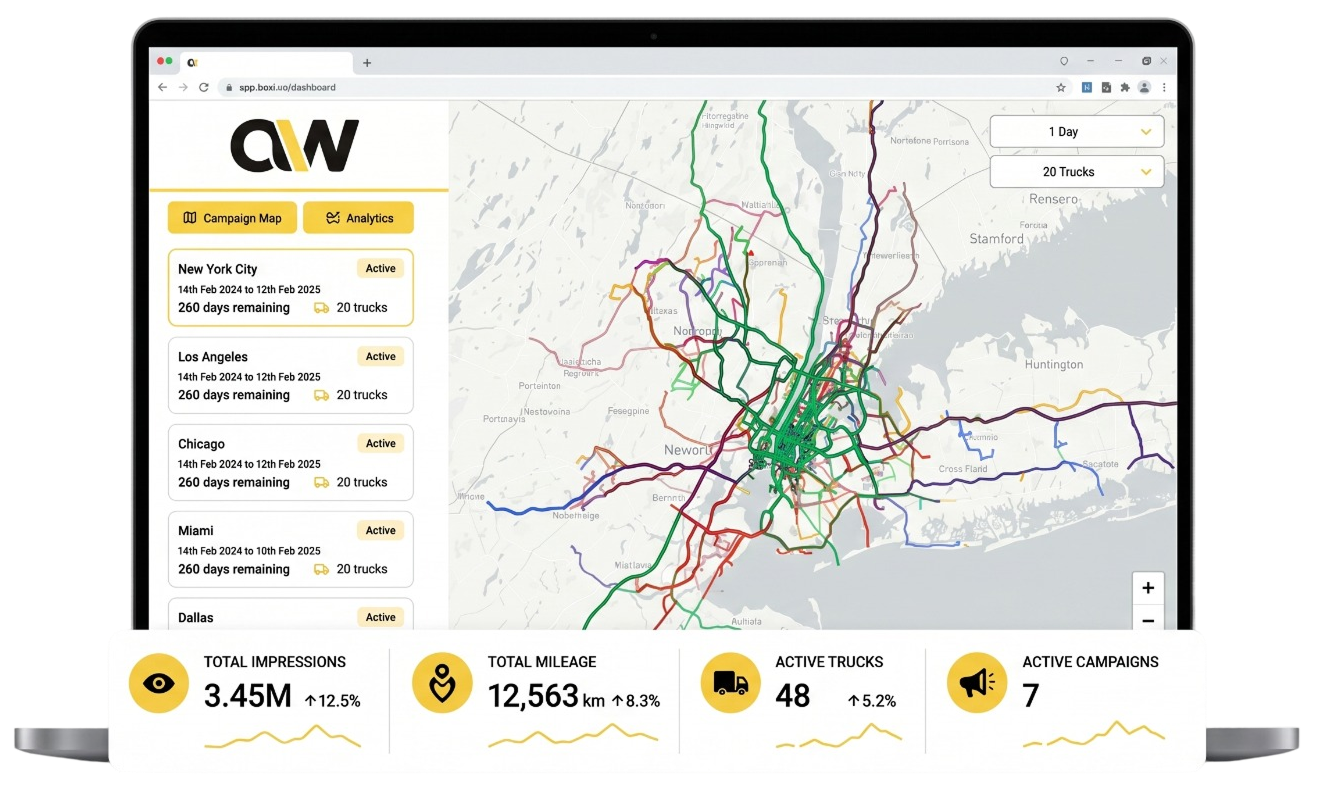
Our advanced dashboard gives you complete visibility into your truck advertising campaigns anytime, anywhere.

DAILY CAMPAIGN ANALYTICS

Track daily impressions and campaign performance in real-time.

24/7 GPS POWERED

Monitor your trucks live with 24/7 GPS powered tracking

MULTIPLE CAMPAIGN VIEWS

Analyze performance over time with multiple timeline views.

TRUCK PROFILES

View detailed truck profiles, routes, impression and daily activity.

Trucking Partners.

Simplicity

We take care of the entire process — from onboarding and ad installation to maintenance and removal. All you have to do is keep moving. We handle the rest.

Performance

Get access to real-time tracking and campaign insights. Our data-driven approach ensures every mile delivers measurable value — for you and for brands.

Autonomy

You stay in control of your operations. No disruptions, no complicated commitments — just a seamless way to earn more from what you already do.

Profit

Unlock a consistent, additional income stream. We help you maximize your vehicle’s potential with reliable monthly earnings and long-term partnerships.
Feb 27 2026
How a well-designed website can transform your business

At fabrica® Studio, we specialize in crafting high-performance websites that not only look great but also deliver measurable results.

A slow website is frustrating. Users expect pages to load instantly, and even a small delay can lead to lost visitors. Studies show that a 1-second delay in loading time can reduce conversions by 7%.

More than 50% of web traffic comes from mobile devices. If your site isn’t optimized for speed on mobile, you risk losing half of your potential audience.

How Speed Affects SEO

Google prioritizes fast-loading websites in search rankings. If your site is slow, it might not appear on the first page of search results. Fast websites improve user experience (UX), reduce bounce rates, and keep visitors engaged longer.

More than 50% of web traffic comes from mobile devices. If your site isn’t optimized for speed on mobile, you risk losing half of your potential audience. Google’s Core Web Vitals measure mobile performance, making speed a critical ranking factor.

What Slows Down a Website?

Several factors can make your site sluggish:

  • Large images without compression

  • Unoptimized code (excessive JavaScript, CSS, and HTML)

  • Too many HTTP requests from third-party scripts

  • Slow hosting with limited bandwidth

  • No caching strategies

How to Improve Website Speed

Use modern formats like WebP instead of PNG or JPEG. Compress images without losing quality.

Minimize Code

Reduce unused JavaScript and CSS. Minify files to decrease load time.

Use a Content Delivery Network (CDN)

A CDN stores copies of your site on multiple servers worldwide, delivering faster access to users based on their location.

Enable Caching

Caching stores frequently used data, reducing the need for repeated downloads. This significantly improves loading times for returning visitors.

Choose a Fast Hosting Provider

Your hosting provider plays a major role in site speed. Consider upgrading to managed hosting or cloud hosting for better performance.

The Business Impact of a Fast Website

Faster websites lead to:

  • Higher conversion rates

  • Better SEO rankings

  • Improved user satisfaction

  • Lower bounce rates

Final Thoughts

Speed isn’t just a technical metric—it directly impacts business success. Investing in website performance means happier users, better rankings, and increased revenue. If your site is slow, now is the time to fix it.

Feb 25 2026
Google prioritizes fast-loading websites user experience

At fabrica® Studio, we specialize in crafting high-performance websites that not only look great but also deliver measurable results.

A slow website is frustrating. Users expect pages to load instantly, and even a small delay can lead to lost visitors. Studies show that a 1-second delay in loading time can reduce conversions by 7%.

More than 50% of web traffic comes from mobile devices. If your site isn’t optimized for speed on mobile, you risk losing half of your potential audience.

How Speed Affects SEO

Google prioritizes fast-loading websites in search rankings. If your site is slow, it might not appear on the first page of search results. Fast websites improve user experience (UX), reduce bounce rates, and keep visitors engaged longer.

More than 50% of web traffic comes from mobile devices. If your site isn’t optimized for speed on mobile, you risk losing half of your potential audience. Google’s Core Web Vitals measure mobile performance, making speed a critical ranking factor.

What Slows Down a Website?

Several factors can make your site sluggish:

  • Large images without compression

  • Unoptimized code (excessive JavaScript, CSS, and HTML)

  • Too many HTTP requests from third-party scripts

  • Slow hosting with limited bandwidth

  • No caching strategies

How to Improve Website Speed

Use modern formats like WebP instead of PNG or JPEG. Compress images without losing quality.

Minimize Code

Reduce unused JavaScript and CSS. Minify files to decrease load time.

Use a Content Delivery Network (CDN)

A CDN stores copies of your site on multiple servers worldwide, delivering faster access to users based on their location.

Enable Caching

Caching stores frequently used data, reducing the need for repeated downloads. This significantly improves loading times for returning visitors.

Choose a Fast Hosting Provider

Your hosting provider plays a major role in site speed. Consider upgrading to managed hosting or cloud hosting for better performance.

The Business Impact of a Fast Website

Faster websites lead to:

  • Higher conversion rates

  • Better SEO rankings

  • Improved user satisfaction

  • Lower bounce rates

Final Thoughts

Speed isn’t just a technical metric—it directly impacts business success. Investing in website performance means happier users, better rankings, and increased revenue. If your site is slow, now is the time to fix it.

Jan 30 2026
Why Website Performance Can Make or Break Your Business

At fabrica® Studio, we specialize in crafting high-performance websites that not only look great but also deliver measurable results.

A slow website is frustrating. Users expect pages to load instantly, and even a small delay can lead to lost visitors. Studies show that a 1-second delay in loading time can reduce conversions by 7%.

More than 50% of web traffic comes from mobile devices. If your site isn’t optimized for speed on mobile, you risk losing half of your potential audience.

How Speed Affects SEO

Google prioritizes fast-loading websites in search rankings. If your site is slow, it might not appear on the first page of search results. Fast websites improve user experience (UX), reduce bounce rates, and keep visitors engaged longer.

More than 50% of web traffic comes from mobile devices. If your site isn’t optimized for speed on mobile, you risk losing half of your potential audience. Google’s Core Web Vitals measure mobile performance, making speed a critical ranking factor.

What Slows Down a Website?

Several factors can make your site sluggish:

  • Large images without compression

  • Unoptimized code (excessive JavaScript, CSS, and HTML)

  • Too many HTTP requests from third-party scripts

  • Slow hosting with limited bandwidth

  • No caching strategies

How to Improve Website Speed

Use modern formats like WebP instead of PNG or JPEG. Compress images without losing quality.

Minimize Code

Reduce unused JavaScript and CSS. Minify files to decrease load time.

Use a Content Delivery Network (CDN)

A CDN stores copies of your site on multiple servers worldwide, delivering faster access to users based on their location.

Enable Caching

Caching stores frequently used data, reducing the need for repeated downloads. This significantly improves loading times for returning visitors.

Choose a Fast Hosting Provider

Your hosting provider plays a major role in site speed. Consider upgrading to managed hosting or cloud hosting for better performance.

The Business Impact of a Fast Website

Faster websites lead to:

  • Higher conversion rates

  • Better SEO rankings

  • Improved user satisfaction

  • Lower bounce rates

Final Thoughts

Speed isn’t just a technical metric—it directly impacts business success. Investing in website performance means happier users, better rankings, and increased revenue. If your site is slow, now is the time to fix it.

Testimonials.

Have a Campaign in mind?

By submitting, you agree to our Terms and Privacy Policy.

Let's talk.

Whether you're looking to launch locally or expand nationwide, our team is ready to help you get started.